

Staying Safe in the Summer: Heat Safety Tips for Construction Professionals
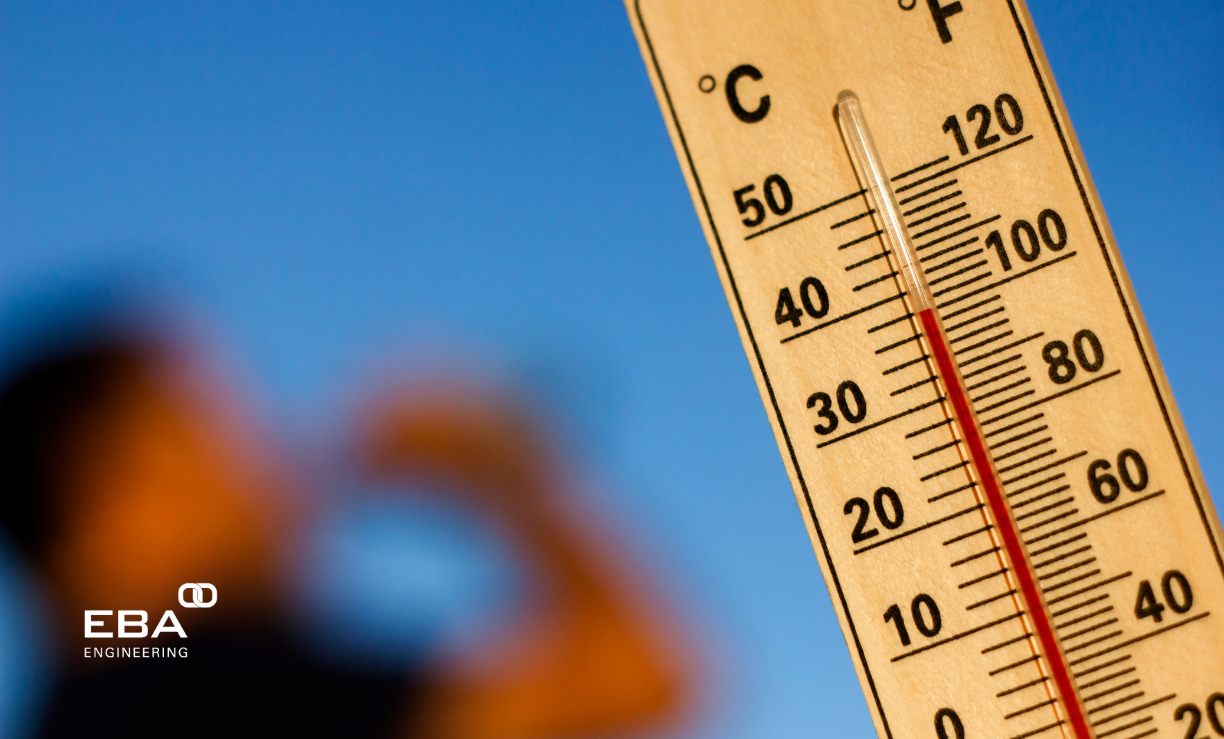
On a hot summer day, jobsite temperatures can climb well above what’s shown on the forecast. For construction crews working in heavy PPE, that heat isn’t just uncomfortable—it can quickly become dangerous.
That’s why June’s National Safety Month is an ideal time to focus on heat safety and protecting workers in the field.
Understanding Heat-Related Illnesses
Heat-related illnesses occur when the body cannot properly cool itself. Some of the most common conditions construction workers may face include heat rash, heat cramps, and heat exhaustion.
If left untreated, heat exhaustion can quickly progress to heat stroke, a medical emergency that requires immediate attention. Warning signs include:
- High body temperature.
- Confusion or disorientation.
- Loss of consciousness.
- Hot, dry skin or excessive sweating.
- Seizures.
Workers experiencing symptoms of heat stroke should receive emergency medical care immediately.
Early recognition is one of the best defenses against heat stress. Supervisors and team members should watch for:
- Excessive sweating.
- Fatigue or weakness.
- Dizziness or fainting.
- Muscle cramps.
- Irritability or confusion.
- Headaches.
- Nausea or vomiting.
Encouraging workers to speak up when they begin feeling unwell can help prevent more serious conditions from developing.
Using Best Practices to Stay Safe on Site
A few simple steps can make a big difference in keeping crews safe in the heat.
The following best practices are key for staying safe in the heat.
Stay hydrated. Workers should drink water regularly throughout the day, even if they do not feel thirsty. Avoiding excessive caffeine and sugary beverages can also help maintain hydration levels.
Take frequent breaks. Providing shaded or air-conditioned rest areas gives workers an opportunity to cool down and recover from heat exposure.
Acclimate gradually. Workers returning from time off or new employees may need time to adjust to working in hot conditions. Gradually increasing workloads can help the body adapt safely.
Wear appropriate clothing. Whenever possible, lightweight, breathable clothing and cooling PPE solutions can help reduce heat stress while maintaining safety compliance.
Monitor weather conditions. Checking heat indexes and adjusting work schedules during peak temperatures can help minimize exposure during the hottest parts of the day.
Use the buddy system. Encouraging workers to monitor one another for signs of heat stress can improve early intervention and overall jobsite safety.
Building a Strong Safety Culture
Heat safety is not just an individual responsibility. It is a team effort. Creating a strong safety culture means empowering workers to prioritize their health, communicate concerns, and look out for one another.
Supervisors and company leaders play an important role by:
- Providing heat safety training.
- Encouraging open communication.
- Supplying water, shade, and recovery areas.
- Adjusting schedules during extreme temperatures.
- Reinforcing that safety always comes first.
From prolonged sun exposure to physically demanding work and heavy PPE, construction professionals face unique challenges during extreme heat conditions. Recognizing the signs of heat stress and taking proactive safety measures can help protect workers and create safer jobsites throughout the summer months.
National Safety Month is the perfect time to reinforce heat safety practices and remind teams that protecting worker health is a year-round commitment.
